
The five areas, and who rents in each
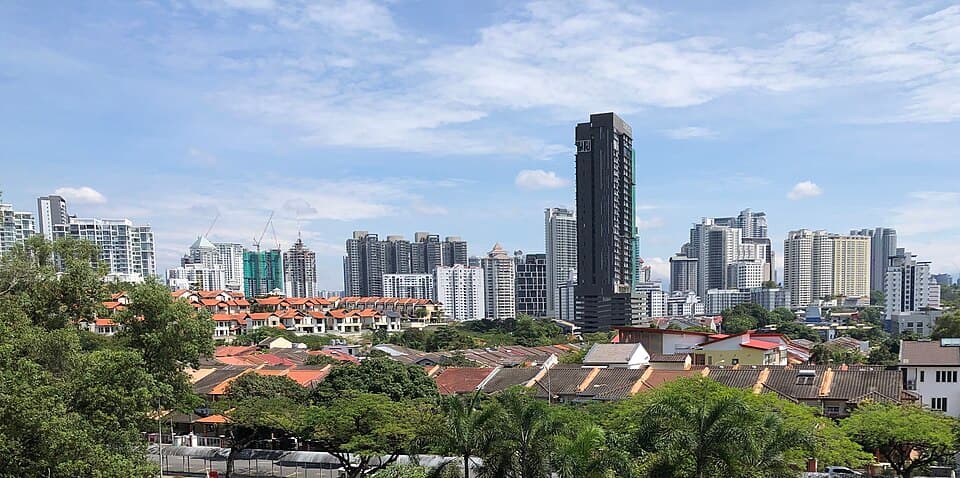 Mont KiaraExpatriate families and corporate executivesInternational schools, and an expatriate community established long enough to be self-reinforcing. Tenancies here hold for years rather than terms.
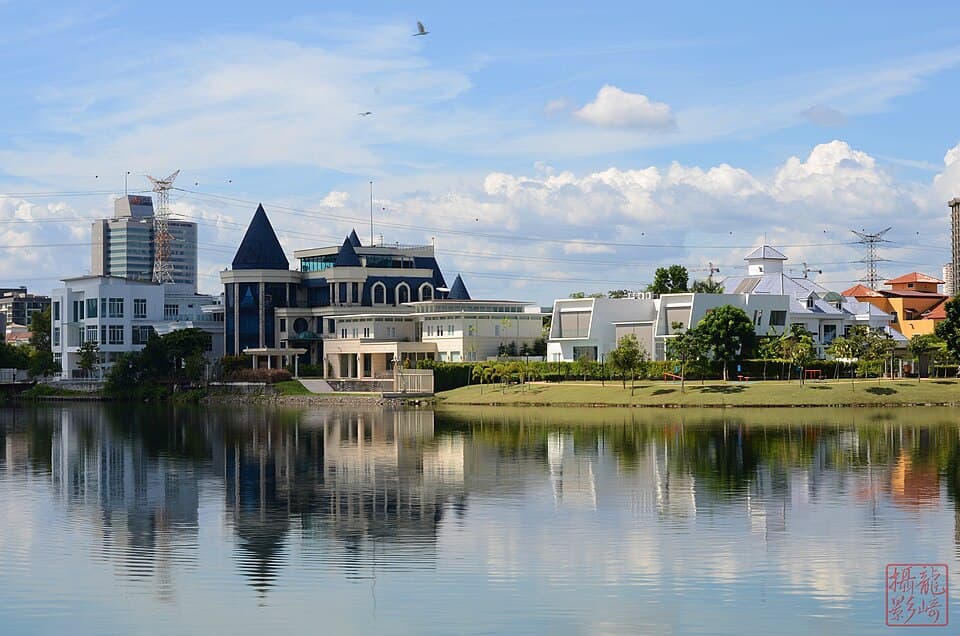 Ampang HilirDiplomats and international familiesEmbassy Row — the diplomatic missions and the households that come with them.
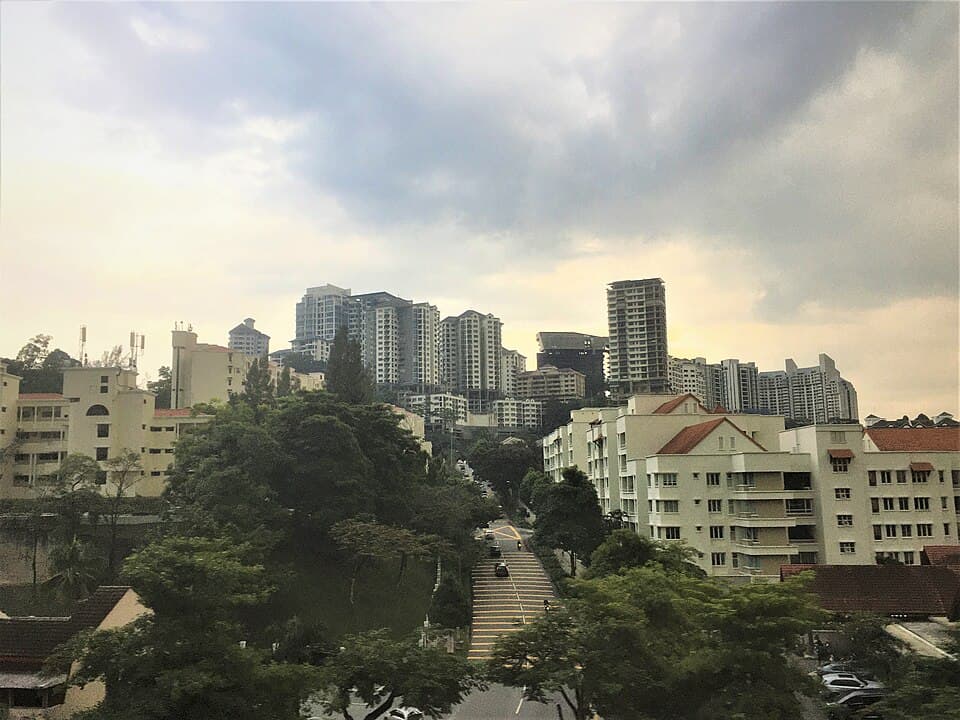 BangsarYounger professionals and couplesCafés, restaurants and a walkable lifestyle. The most lived-in of the five, and the least dependent on a car.
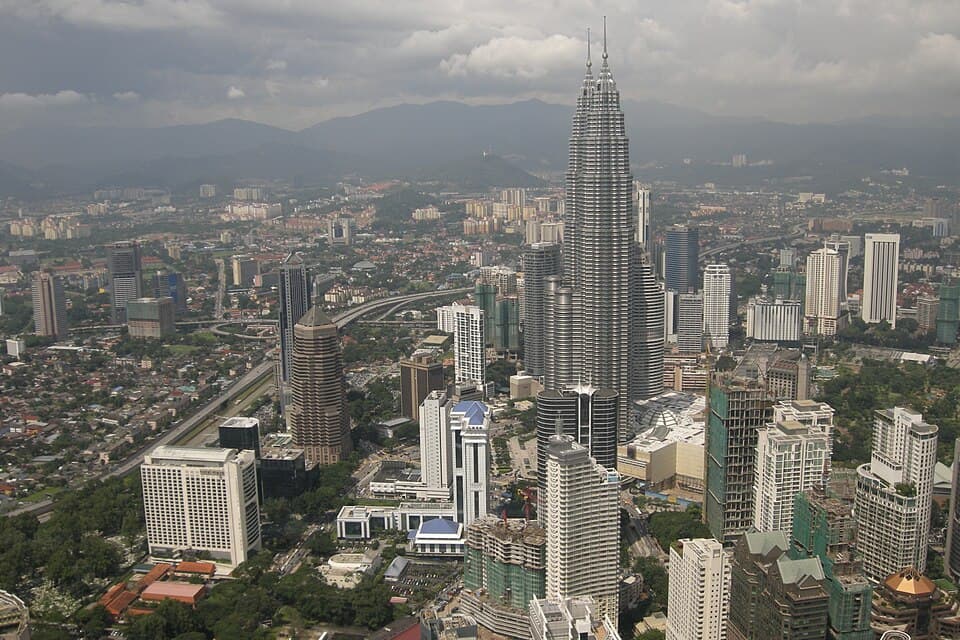 KLCCCorporate tenants on short and medium postingsOffices, malls and city convenience, with the shortest commute of the five. More single and couple tenancies than family ones.
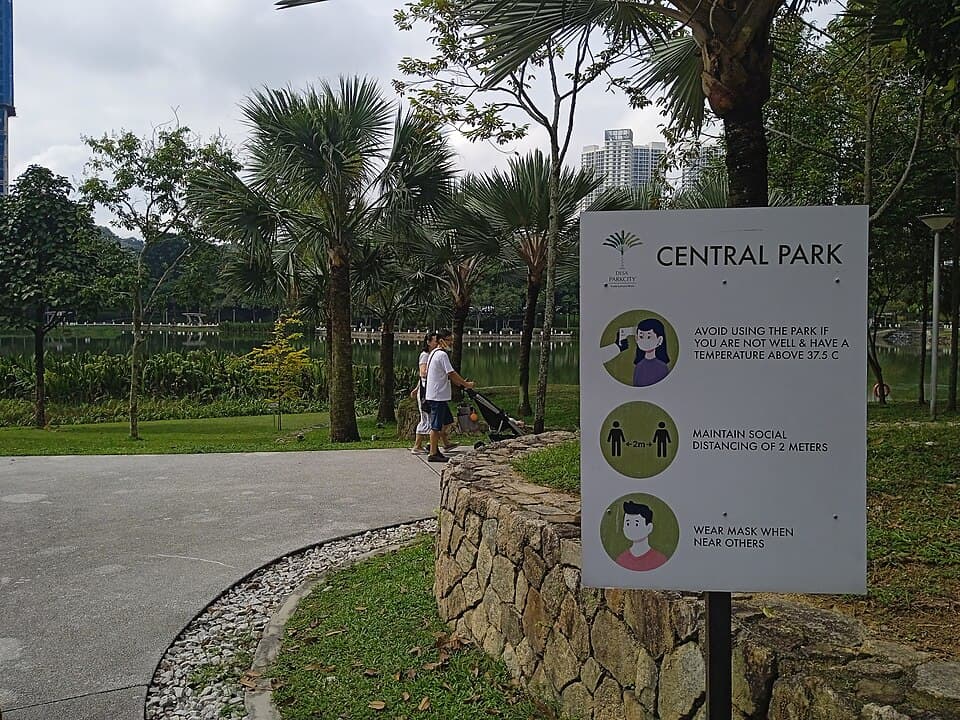 Desa ParkCityFamilies, Malaysian ones includedParks, green space and a township built around walking rather than driving. The only one on the list where local and expatriate demand compete for the same unit.
Photos: Mont Kiara — LegendaryLim / Wikimedia Commons (CC BY-SA 4.0); Ampang Hilir — 龍崎 Jeffrey / Wikimedia Commons (CC BY-SA 3.0); Bangsar — Slleong / Wikimedia Commons (CC0); KLCC — Vyacheslav Argenberg / Wikimedia Commons (CC BY 4.0); Desa ParkCity — Wiki Farazi / Wikimedia Commons (CC0).
The split that matters is households against individuals. Mont Kiara, Ampang Hilir and Desa ParkCity let to families, which means three bedrooms and up, a second bathroom, parking for two cars and a school run that works. KLCC and Bangsar carry more single and couple tenancies, where a well-finished smaller unit lets quickly and a large one sits.
Why a popular expat area is not automatically a good yield
The demand in these five is real, and it is structural rather than cyclical. That still does not settle the investment question, because yield is rent measured against purchase price — and the areas with the strongest expatriate demand are the ones you pay most to buy into.
It is the same arithmetic that catches people out on rental PSF: a cheaper unit let at a lower rent frequently returns more against its price than a prestige unit let at a high one. Before you commit, compare the purchase price, the rent comparable units in that building actually achieve, the maintenance charge, and how deep the tenant pool is for the day your tenant leaves.
What to check before buying for an expat tenant
- The school run, if you are letting to families. Proximity to an international school does more for a Mont Kiara or Ampang Hilir letting than any facility in the building.
- Unit size against the tenant you are targeting. A household needs three bedrooms and up; a corporate posting near KLCC often does not.
- Parking. Two bays is close to a requirement on a family unit, and a common reason a good unit loses to an ordinary one.
- Furnishing. Expatriate lettings are more often fully furnished, which is a real cost and a recurring one.
- The maintenance charge, in ringgit per square foot per month, and the state of the sinking fund.
- Tenant depth — how quickly comparable units in the same building re-let. Strong area demand does not carry an indifferent unit.
Family tenancies turn on space more than on anything else, and space is the one thing a building cannot add later. These are the current launches with homes of 2,000 sq ft and above.
Condos 2,000 Sq Ft & Above10 projects, from RM754,000 · compare them side by sideSee the list →